Role
Process
Output
In the design process, we often face the need to test ideas quickly yet systematically, especially when time is limited, resources are divided, and multiple ideas develop in parallel.
One of the main challenges is unifying initial ideas into concepts that cross-functional teams can understand, while making them concrete enough to trigger discussion and initial validation.
To address this, we experimented with AI in the design process. Our goals: conceptualize more efficiently, accelerate visualization, and create clickable prototypes that could immediately gather feedback.
1. Setup
The initial step involves generating user flows and use cases from existing ideas. This stage is crucial for creating clear flows and structure as the prototyping foundation. This exploration is done independently and becomes the preliminary document before cross-functional synchronization. Effective Input Formulation for AI Setup:
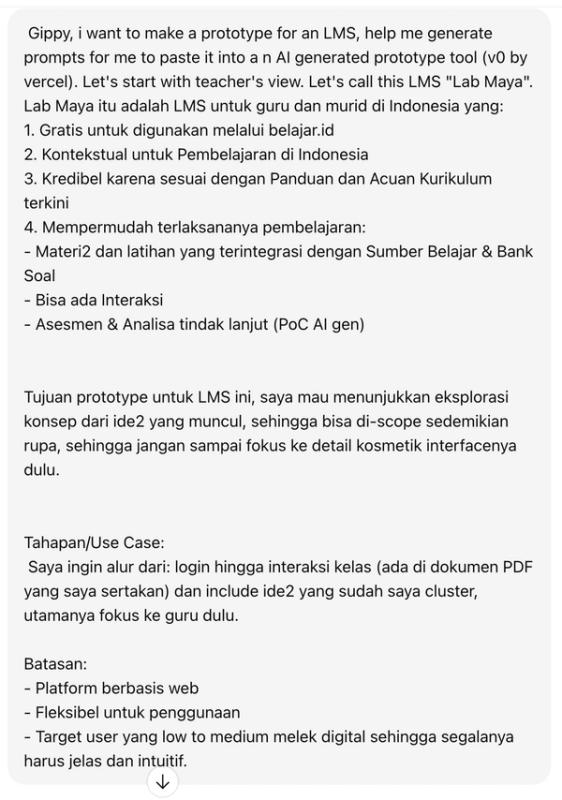
2. Direct Prototyping
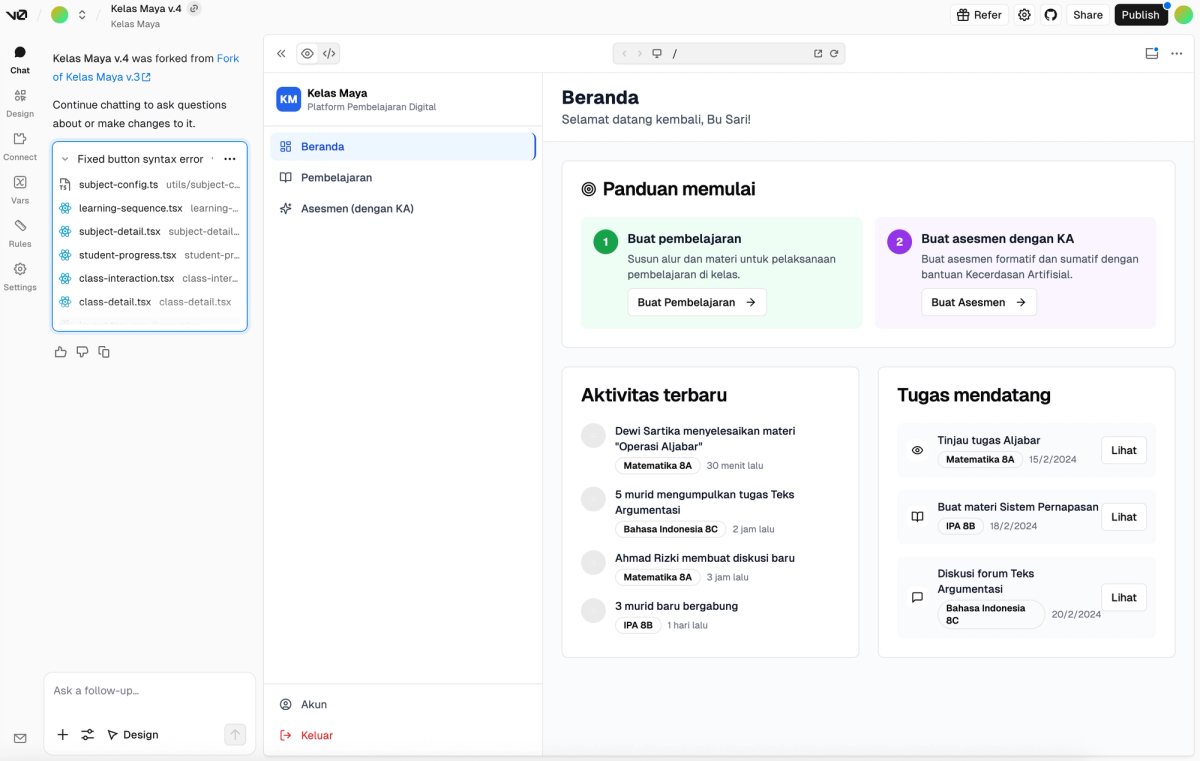
3. Special Case: Concept for Data Team Exploration Needs
The process is generally similar, but in some cases, generated concepts don't focus on usability or high-fidelity since the target is internal needs. For example, testing engines without involving engineering teams. Such situations require additional processes to ensure outputs remain relevant and meet team expectations.
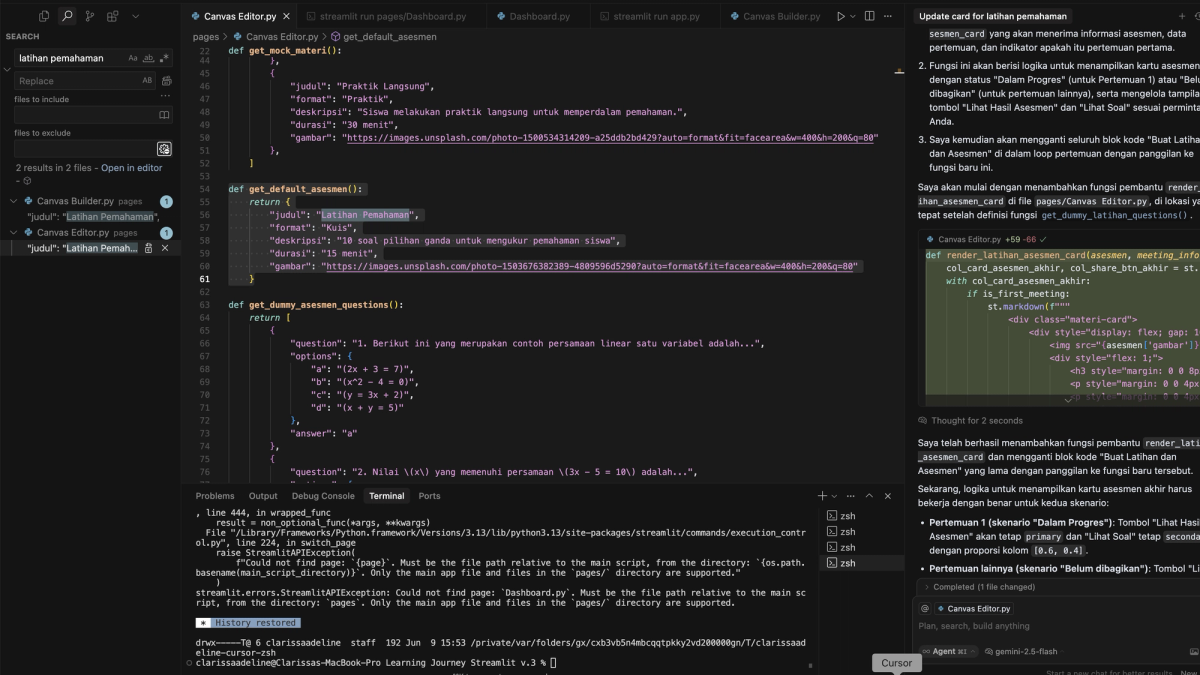
4. Further Alignment on "Speed" Concept: As part of evaluation, we also realigned the concept of "speed," assessing whether tools and approaches truly support required time efficiency. This led to exploring alternative tools better suited for this context, such as collaboration with data teams using Streamlit and Cursor.
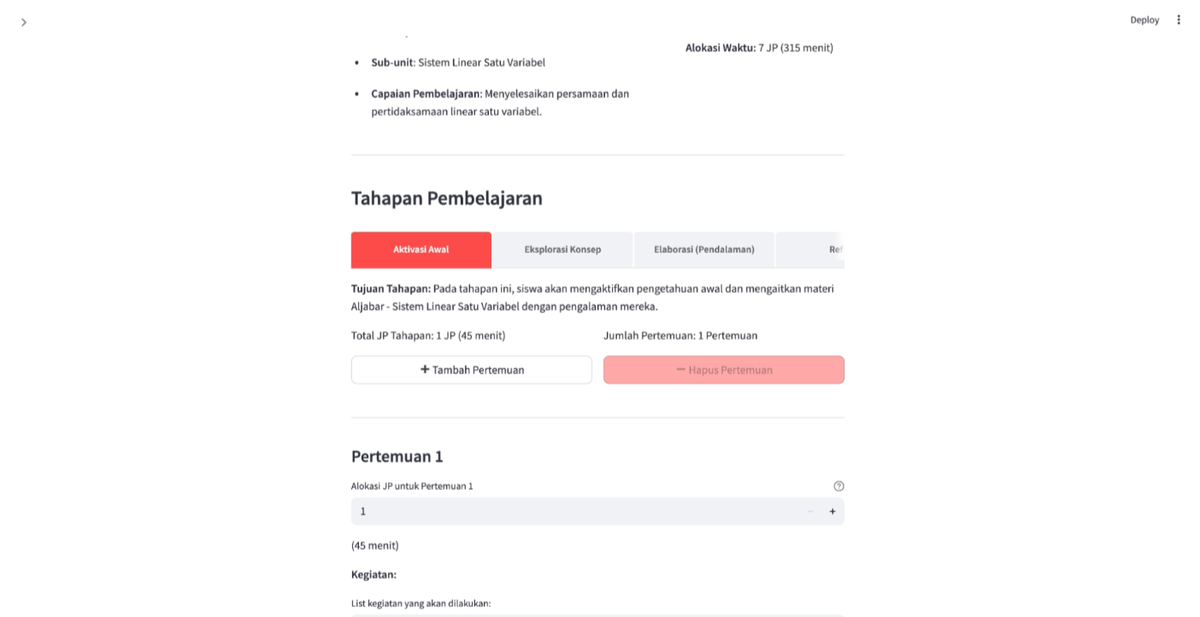
Positive Impact:
Risks of Speed:
Iterations can happen too quickly without reconsidering the direction and intent of the product being built. Designs can be continuously generated, feedback can be immediately fed back to AI, but we risk losing grounding in the main objective